Project Introduction
BNB (Binance Coin) is the native utility token of the Binance ecosystem, one of the largest cryptocurrency trading platforms in the world. Originally launched in July 2017 on the Ethereum blockchain, BNB later migrated to Binance Chain and Binance Smart Chain (now BNB Chain), becoming a core asset powering transactions, fees, and decentralized applications. BNB plays a central role in reducing trading fees, supporting DeFi applications, and enabling smart contract execution across the BNB Chain ecosystem. Its utility continues to expand as Binance builds infrastructure around Web3, payments, blockchain scalability, and real-world asset tokenization. As one of the most widely used exchange-based tokens, BNB has evolved into a multi-purpose digital asset with strong ecosystem integration, global adoption, and millions of active users.
Project Overview
BNB is designed to support the Binance ecosystem by offering utility across trading, decentralized finance, and blockchain operations. The BNB Chain, which combines Binance Smart Chain and Binance Chain, is a high-performance blockchain network that supports EVM compatibility, enabling developers to deploy smart contracts and decentralized applications with low fees and fast confirmation times. BNB is used for transaction fee discounts on the Binance exchange, gas fees on BNB Smart Chain, staking, token launch participation (Launchpad), and on-chain governance activities within the ecosystem. The network processes millions of daily transactions and hosts thousands of active dApps across DeFi, gaming, and NFTs.
Use Cases
Paying transaction fees on Binance Exchange with discounted rates
Gas fees for BNB Smart Chain transactions and smart contract execution
Participation in token launches through Binance Launchpad and Launchpool
Staking and yield farming in DeFi platforms across BNB Chain
Smart contract execution and dApp development on BNB Smart Chain
Payment for goods and services through merchant adoption and Binance Pay
Cross-chain transfers and DeFi bridging through native interoperability
Governance participation in ecosystem protocols (when applicable)
Real-world asset tokenization and institutional applications
Key Features
High-performance blockchain infrastructure (BNB Chain) with EVM compatibility
Low transaction fees compared to Ethereum-based networks
Fast block confirmation times (approximately 3 seconds)
Strong exchange integration with the Binance ecosystem and services
EVM compatibility enabling seamless smart contract deployment and migration
Extensive DeFi ecosystem support with thousands of active dApps
Regular token burn mechanism reducing total supply over time
Large global user base and strong liquidity support across exchanges
Active validator network with Proof-of-Stake Authority consensus (PoSA)
Advantages
Strong ecosystem backing from Binance, one of the largest crypto exchanges
High liquidity in global markets across major trading pairs
Wide utility across multiple blockchain functions (fees, staking, payments, governance)
Low transaction costs making it accessible for developers and users
Fast transaction processing supporting real-time dApp interactions
Extensive developer adoption with comprehensive documentation and tooling
Strong brand recognition and global awareness
Active ecosystem development with regular upgrades and new features
Disadvantages
High centralization concerns due to Binance’s significant influence
Strong dependency on Binance ecosystem performance and regulatory status
Regulatory scrutiny in multiple jurisdictions impacting adoption
Limited decentralization compared to other Layer-1 competitors
Potential governance concentration risks
Competition from other smart contract platforms like Ethereum and Solana
Ecosystem risk tied to Binance’s reputation and operational status
Transparency concerns in token control mechanisms and validator selection
Why This Coin Is in the Watchlist
One of the largest exchange-based cryptocurrencies by market cap
High real-world usage across Binance ecosystem services
Strong liquidity and consistent market activity
Significant role in DeFi and Web3 infrastructure
Consistent ecosystem expansion through BNB Chain development
Active token burn and supply management model supporting value proposition
Suitable Traders
Swing Trading
Suitable due to frequent market movements and strong liquidity across pairs.
Position Trading
Applicable for medium-term trend strategies based on ecosystem growth and developments.
Long-Term Holding
Viable for users confident in Binance ecosystem expansion and utility growth.
Day Trading
Highly suitable due to strong volatility, trading volume, and 24/7 market activity.
Risk Level
Medium
BNB carries moderate risk due to strong centralization concerns, dependence on Binance ecosystem, and regulatory exposure across multiple jurisdictions. These are balanced by high liquidity, strong ecosystem support, continuous adoption, and its position as one of the most recognized utility tokens in the market. Binance’s ongoing global regulatory challenges represent the most significant risk factor.
Conclusion
BNB remains one of the most influential utility tokens in the cryptocurrency market due to its deep integration with the Binance ecosystem and the BNB Chain. Its role continues to expand beyond exchange utility into decentralized applications, payments, blockchain infrastructure, and real-world asset tokenization. While it offers strong utility, adoption, and ecosystem development, investors should carefully consider centralization concerns and regulatory risks. Overall, BNB maintains a dominant position in the market with sustained ecosystem growth and developer adoption, making it a key asset for traders and long-term holders alike.
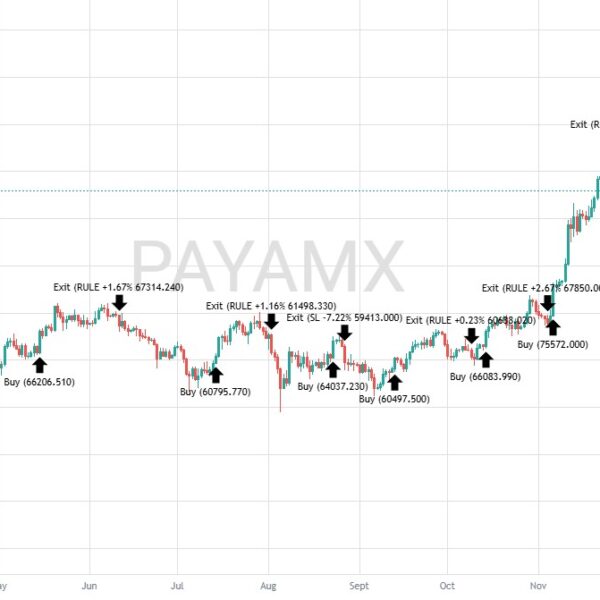
View Chart