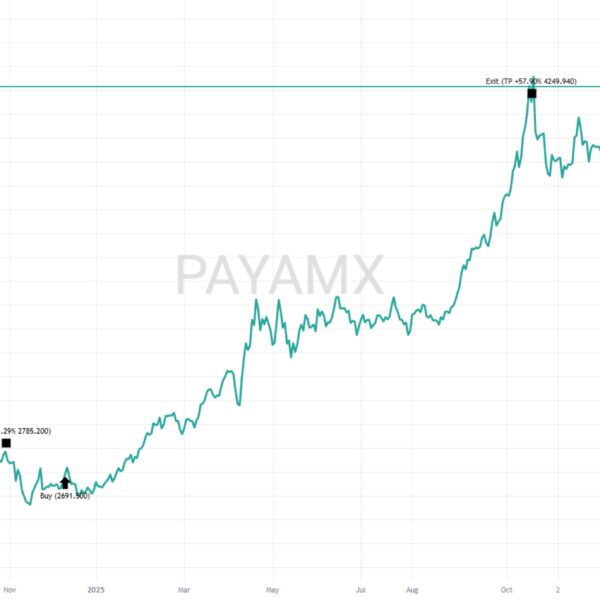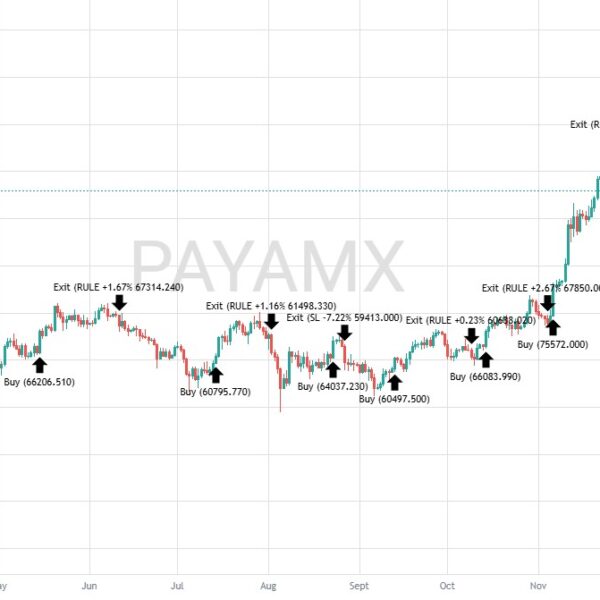
After years of testing and filtering through hundreds of assets, this is the final list I personally track for swing trading. Every coin on this list meets four strict criteria: solid backing, high liquidity, sufficient volatility, and an active community that generates analysis and trading volume. Here is the complete list with the reason I follow each one.
Blue Chips (Core Holdings)
These are the most liquid assets in the market. Low spreads, stable volatility, and reliable price action make them the foundation of any professional watchlist.
- Bitcoin (BTC)
The market reference and the most liquid asset in the crypto space. Bitcoin dominates institutional interest, ETF flows, and macro-driven trading. Its price action often sets the direction for the entire market, making it the first and most important chart any trader should analyze. - Ethereum (ETH)
The backbone of decentralized finance and the leading smart contract platform. Every network upgrade, from scalability improvements to fee reductions, creates clear trading opportunities. Ethereum’s ecosystem drives the majority of DeFi activity, making it highly responsive to on-chain developments. - Solana (SOL)
High speed and low fees make Solana a serious Ethereum competitor. Its growing ecosystem and consistent developer activity generate reliable volatility. Solana’s architecture supports high-frequency trading applications, attracting both retail and institutional interest. - BNB (BNB)
The native asset of the world’s largest cryptocurrency exchange. Regular token burns create permanent buy pressure, while BNB’s utility spans trading fee discounts, launchpad access, and the BNB Chain ecosystem. Exchange activity and new token launches directly impact its price. - XRP (XRP)
High volume even through regulatory challenges. XRP’s focus on cross-border payments and institutional adoption gives it a unique position. Legal developments and banking partnerships directly impact price movements, creating clear catalyst-based trading setups. - Cardano (ADA)
Built on academic-grade research and peer-reviewed development. Network upgrades like the Chang hard fork and expanding DeFi ecosystem drive volatility. Cardano’s methodical approach attracts long-term believers while providing swing opportunities during upgrade cycles. - Dogecoin (DOGE)
The most recognized meme coin with an active and passionate community. Social media activity, especially from high-profile figures, often triggers sharp, unpredictable moves. Its high liquidity makes it a favorite for traders looking to capture sentiment-driven swings. - TRON (TRX)
A strong ecosystem with minimal fees and high transaction throughput. TRON has recently ranked among the best risk-adjusted performers in market reports. Its integration with stablecoin transfers and DeFi applications keeps it consistently active.
Mid-Caps (Higher Volatility, Higher Opportunity)
These assets offer stronger swings while maintaining sufficient liquidity. Suitable for active swing trading with proper risk management.
- Avalanche (AVAX)
Fast and low-cost infrastructure with a growing subnet ecosystem. New partnerships and integrations regularly create price catalysts. Avalanche’s focus on institutional adoption and custom blockchain deployment gives it a competitive edge. - Chainlink (LINK)
The leading oracle network that connects smart contracts to real-world data. Every DeFi application relies on oracles, making Chainlink essential infrastructure. New partnership announcements and CCIP adoption consistently drive price action. - Polkadot (DOT)
Designed for blockchain interoperability and cross-chain communication. Ecosystem updates, parachain auctions, and developer activity consistently generate trading opportunities. Polkadot’s unique architecture positions it as a long-term infrastructure play. - Litecoin (LTC)
The silver to Bitcoin’s gold with a long track record and predictable movement patterns. Litecoin’s halving cycles and historical correlation with Bitcoin make it a reliable asset for swing strategies that follow macro crypto trends. - Stellar (XLM)
Focused on fast, low-cost cross-border transactions. Institutional partnerships and network upgrades drive volatility. Stellar’s mission to connect financial institutions and its growing ecosystem make it a key player in payment-focused blockchain solutions. - Hedera (HBAR)
Unique hashgraph technology offering superior speed and security. Partnerships with Fortune 500 companies like Google, IBM, and Boeing provide strong fundamental backing. Enterprise adoption news directly impacts price action. - Near Protocol (NEAR)
A serious competitor in the speed and scalability space. Consistent developer activity and ecosystem growth drive volatility. Near’s focus on user-friendly blockchain solutions and sharding technology positions it for long-term growth. - Gram (GRAM)
Connected to Telegram’s massive 900+ million user base, making it one of the most unique blockchain projects. New features on Telegram directly impact Gram price action. Rebranded from Toncoin (TON) in June 2026 with over 81% community approval. The integration of Web3 tools into the messaging app creates a powerful adoption channel. - Sui (SUI)
A next-generation blockchain with unique architecture designed for high throughput and low latency. Early-stage volatility attracts active traders. Sui’s focus on gaming and DeFi applications, combined with its Move programming language, gives it distinct advantages. - Uniswap (UNI)
The largest decentralized exchange and a leader in DeFi innovation. New features, governance proposals, and layer-2 deployments often first appear on Uniswap. Trading activity on the platform directly correlates with UNI’s price action. - Aave (AAVE)
A leading protocol in decentralized lending and borrowing. Interest rates, supply-demand dynamics, and new market expansions create consistent price catalysts. Aave’s dominance in the lending space and its cross-chain expansion make it a key DeFi asset.
New Winners (Strong Fundamentals, Higher Swings)
These assets have unique mechanisms that create consistent buying pressure or revenue generation. Volatility is higher, but the backing is solid.
- Pendle (PENDLE)
A leading protocol for yield trading that allows users to trade future yields. 80 percent of protocol revenue is distributed to token holders, creating strong fundamental backing. Pendle’s unique value proposition in the DeFi yield space attracts both traders and long-term holders, generating consistent volatility during yield market movements. - The Graph (GRT)
The data layer of Web3, providing indexing and querying services for blockchain data. Every decentralized application needs data to function, making The Graph essential infrastructure. With a relatively smaller market cap and expanding indexer network, growth potential remains high. - Render (RENDER)
A decentralized GPU rendering network that connects the graphics, AI, and metaverse industries to blockchain. As AI demand and 3D content creation grow exponentially, Render occupies a unique position at the intersection of these sectors, making it a high-potential swing asset.
Special Assets (Risk Hedging and Independent Moves)
These assets serve a different purpose in the portfolio. They either move independently from the broader market or provide a safe haven during turbulent times, making them valuable tools for risk management.
- Zcash (ZEC)
A privacy-focused asset with a fixed supply of 21 million. Zcash uses zero-knowledge proofs to offer enhanced transaction privacy. Its price action is often independent from the broader market, creating unique swing opportunities during regulatory events, privacy debates, and specific market conditions. - Tether Gold (XAUT)
Digital gold backed by physical reserves. Tether holds over 140 tons of gold in custody, making XAUT a reliable store of value. This asset behaves completely differently from cryptocurrencies, tracking the price of physical gold. It serves as a risk hedge during market turbulence and offers diversification away from crypto correlation.
Final Note
This list is not a guarantee of profits. It is a roadmap. Each asset has been selected based on real-world utility, market presence, and consistent trading volume. The combination of blue chips for stability, mid-caps for growth, new winners for strong fundamentals, and special assets for hedging creates a balanced approach to swing trading.
Use this list as your starting point. Apply your own strategy, manage your risk, and let the charts guide your entries and exits.
Trade with discipline.
— Payam